Used-car checklist: what to inspect before you buy
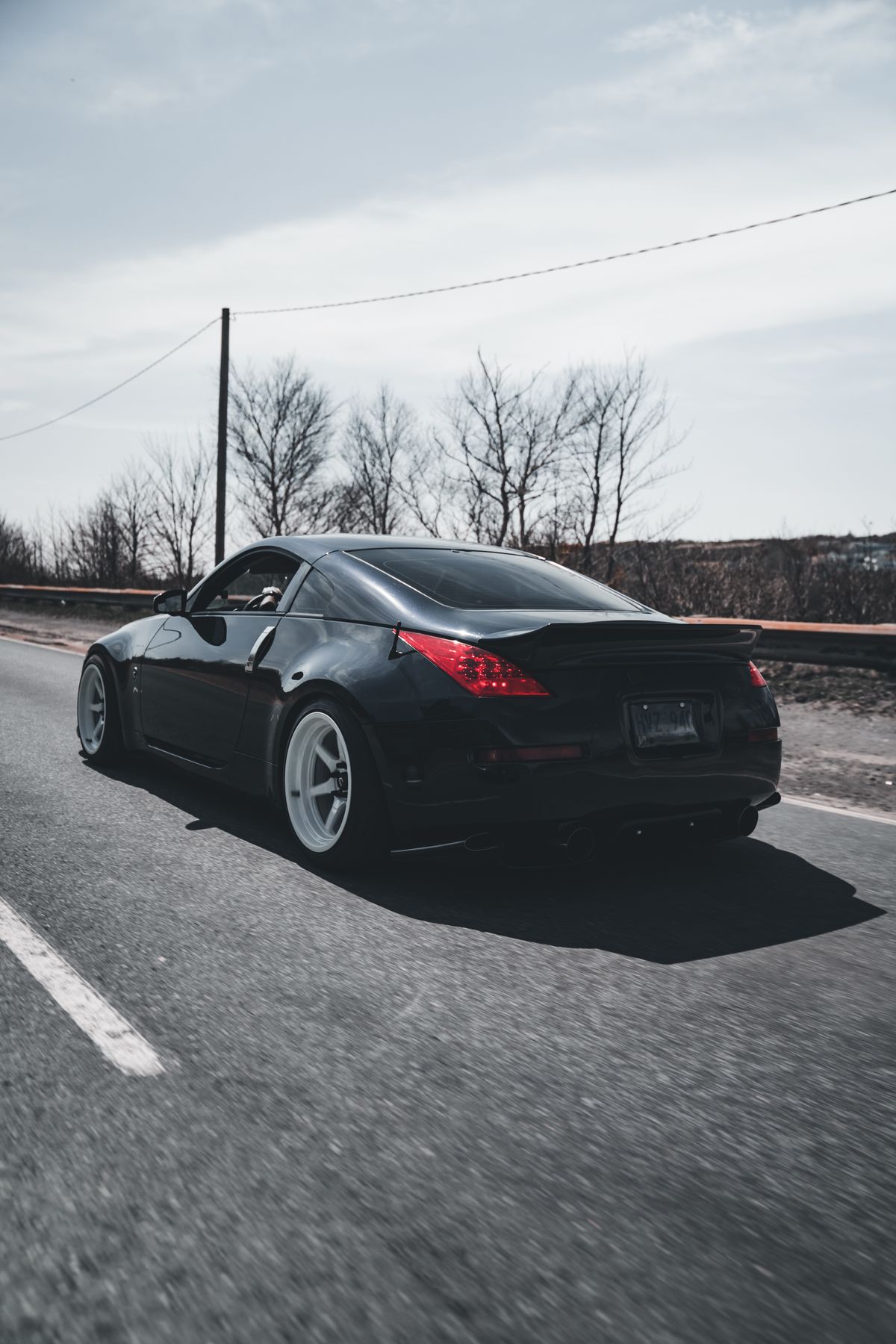
A used vehicle can be a strong value, but condition matters more than a polished listing. Treat the purchase like a small investigation: verify the car, inspect it carefully, drive it, review records, and consider an independent pre-purchase inspection.
Before you see the car
- Confirm the exact year, trim, mileage, drivetrain, and VIN.
- Ask about title status, accidents, major repairs, modifications, and service history.
- Research common problems for that model and powertrain.
- Estimate insurance before committing to the purchase.
Inspect the exterior
Look at panel gaps, paint consistency, glass, lights, tires, wheel damage, rust, and signs of fluid leakage underneath. Uneven tire wear can point to alignment or suspension issues.
Inspect the interior
Test every switch you can reasonably test: windows, locks, climate control, infotainment, cameras, seats, lights, wipers, and charging ports. Warning lights should illuminate during the startup self-check and then turn off normally.
Check under the hood
Look for obvious leaks, damaged wiring, brittle hoses, corrosion, low fluid levels, non-factory modifications, or signs of recent cleanup that might hide a leak.
Drive it from cold if possible
A cold start can reveal noises or drivability problems that disappear once the engine is warm. During the test drive, check acceleration, braking, steering, transmission operation, vibrations, suspension noises, and highway stability.
Get an independent inspection
A qualified independent technician can inspect areas that are difficult to evaluate in a driveway and may identify upcoming maintenance or repair needs you can factor into the purchase decision.
Review the full cost
Include tax, registration, financing cost, insurance, immediate maintenance, tires, expected repairs, and depreciation—not only the advertised price or monthly payment.